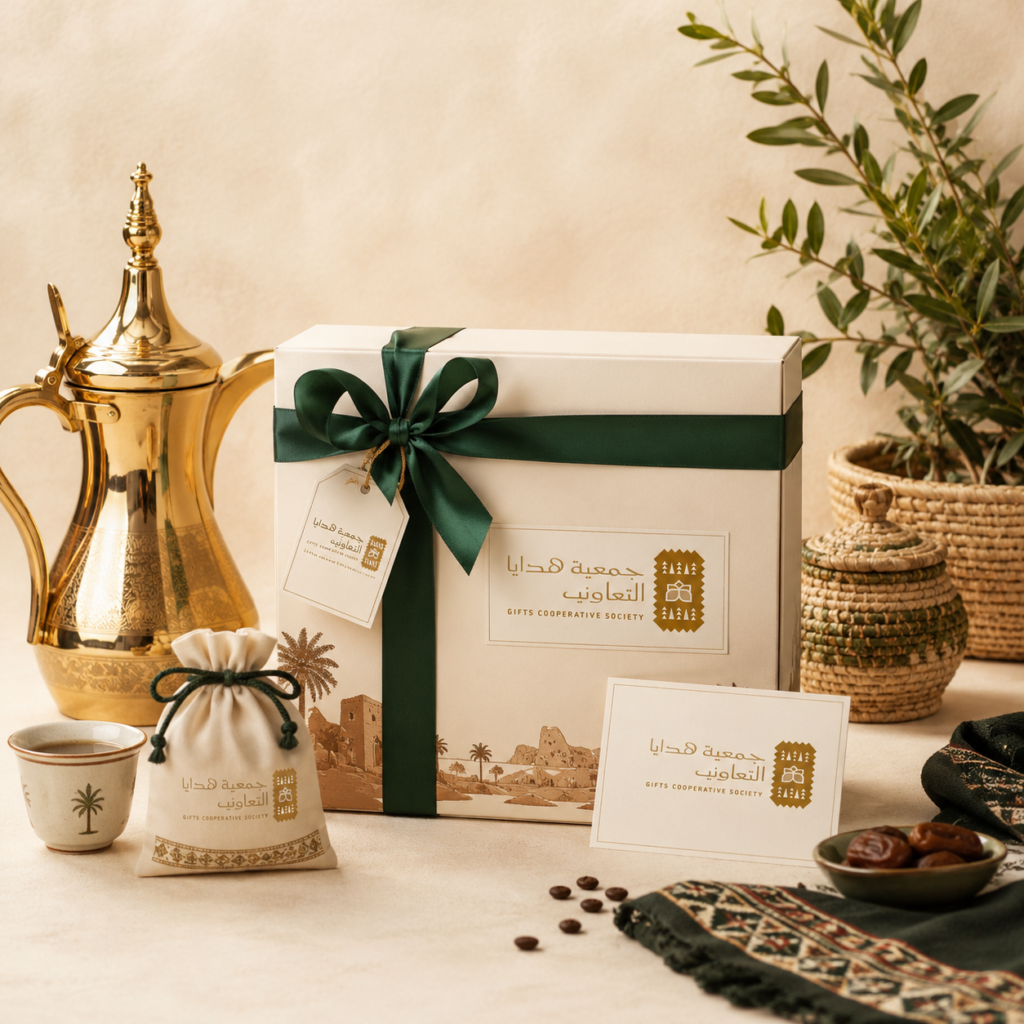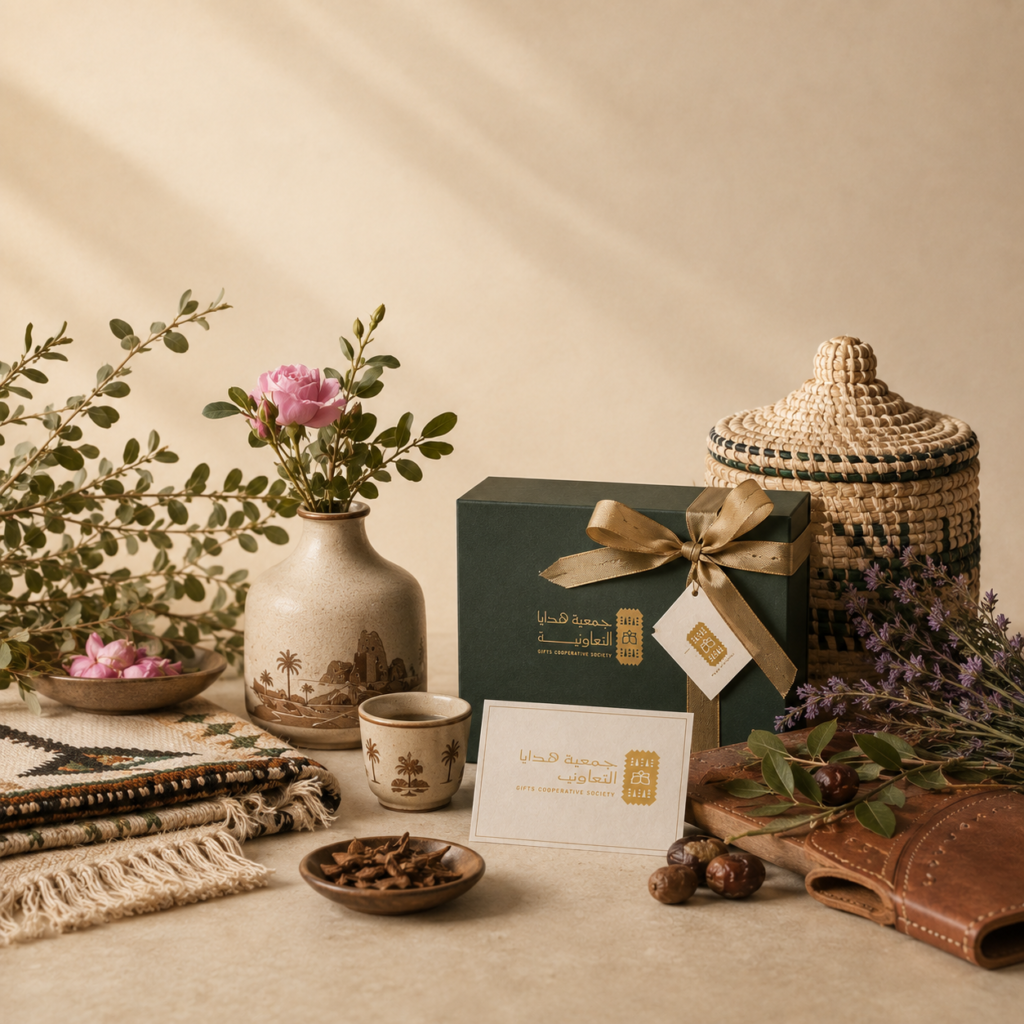

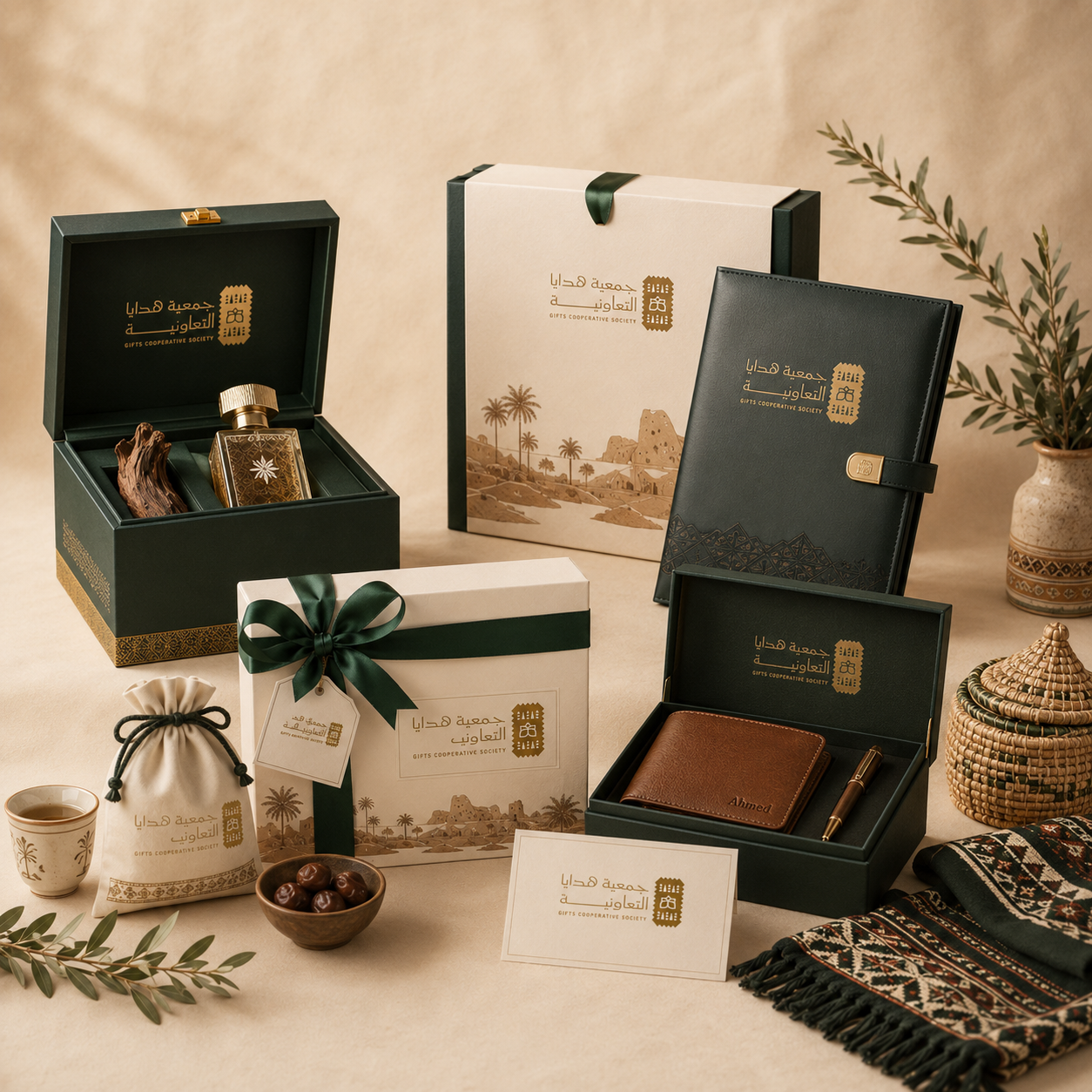
The right gift depends on its purpose, recipient, and the context in which it will be presented. For organizations, classifying gifts into clear categories makes it easier to choose the right level of customization, materials, quantity, packaging, and presentation from the beginning rather than forcing one product to fit every occasion.
These categories are not rigid product lists. They are practical planning tools that help align the gift with the audience, budget, timeline, and message of the occasion.
VIP Gifts
VIP gifts usually require a higher level of customization, finishing, and presentation. They are often produced in limited quantities and may include carefully selected materials, bespoke packaging, personalized cards, or details designed specifically for the recipient or presenting organization.
This category is suitable for senior guests, executives, strategic partners, and distinguished visitors. The strongest results are often achieved by focusing on a smaller number of well-executed elements rather than filling a box with many unrelated products.
Customization does not have to mean placing a large logo on every item. A tailored box, a refined card, a discreet engraved detail, or a material connected to Saudi culture can communicate identity more effectively.
Protocol Gifts
Protocol gifts are designed for official visits, delegations, formal meetings, and institutional exchanges. They should be easy to understand, transport, and present while remaining appropriate for recipients from different cultural backgrounds.
Clarity matters in this category. A gift with one strong cultural reference and a short accompanying story is often more effective than a design that relies on several symbols at once.
Size, weight, and portability also matter, especially when gifts are presented to visiting delegations. Consistent packaging and labeling help the full set appear organized and professional.
Occasion Gifts
This category includes national celebrations, conferences, seasonal events, employee occasions, and organizational gatherings. Quantity and delivery date are usually central considerations because a concept that works for twenty gifts may not be practical for several hundred.
The same occasion can also include more than one gifting level. An organization may prepare a general gift for attendees and a more customized version for speakers, partners, or key guests while keeping a shared visual identity across the full project.
Planning these levels early helps control cost and production time without weakening the overall experience.
Custom Execution
Custom execution begins when the organization has a specific story, message, or requirement that cannot be met by a ready-made product. The process may involve adapting an existing item or developing a new product, material combination, packaging format, or presentation system.
This category usually requires more time for concept development, prototypes, review, and approval before full production begins. Quantity, budget, and deadline should therefore be defined early.
For a clearer view of how this type of project develops, see the gifting journey from concept to packaging.
Cultural Gifts
Cultural gifts present an aspect of Saudi heritage, craftsmanship, environment, or local production. Their value may come from the material itself, the way it is made, or the story connected to a region or craft.
A cultural gift does not need to be crowded with national symbols. A single local material, craft technique, botanical reference, or regional color palette can create a stronger and more contemporary result.
Explore Saudi materials, crafts, and plants that can inspire national gifts when developing this category.
How Do You Choose the Right Category?
Start with four questions: Who will receive the gift? What is the occasion? How many gifts are required? And how much customization is needed? Limited quantities for high-priority recipients may point toward VIP or custom execution, while official delegations are often better suited to protocol gifts. Larger events usually require solutions that can be repeated consistently at scale.
More than one category can be used within the same project. The important point is to define the levels before design begins so that differences in product, packaging, and budget are planned rather than introduced as late changes.
Choosing the category early makes later decisions about design, materials, quantity, and packaging more precise and helps ensure that the final gift supports the purpose of the occasion.
If you are planning customized gifts for your company or organization, explore our corporate and organizational gift services, from concept development to production and packaging.